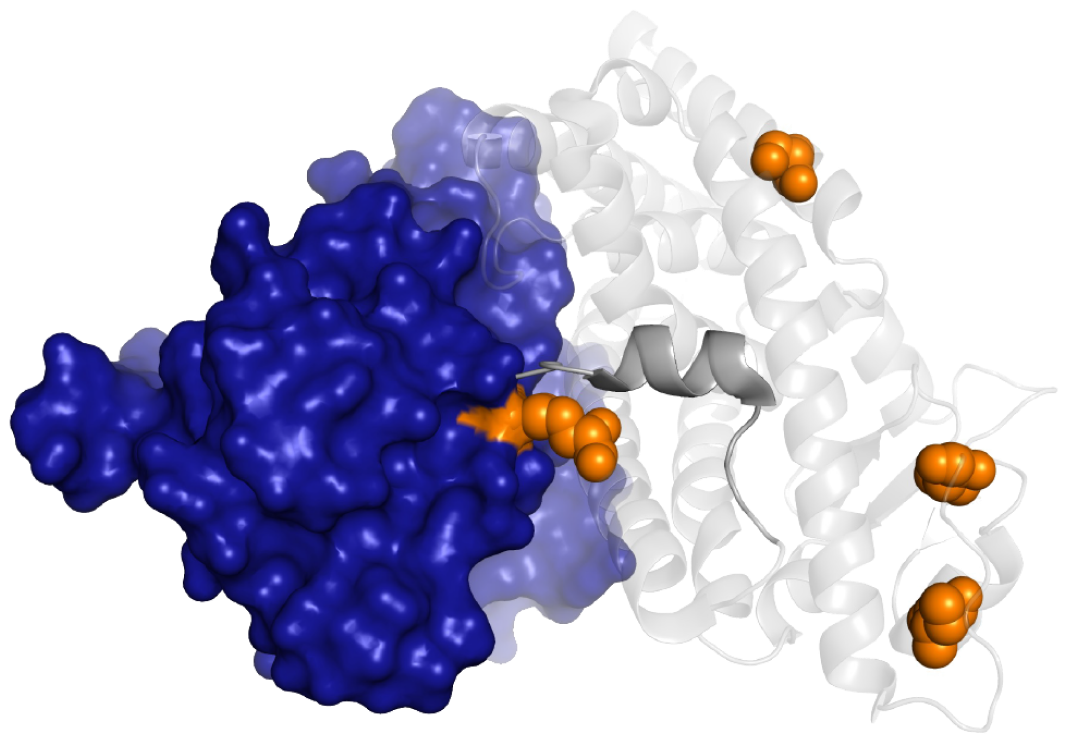
FX-111 is a first-in-class, highly differentiated, potent, and selective degrader targeting ON, the transcriptionally active, hormone-bound form of the androgen receptor for prostate cancer. FX-111 is currently being evaluated in a Phase 1 study in men with metastatic castration-resistant prostate cancer (mCRPC).
The Phase 1 open-label, multi-center clinical trial is designed to evaluate the safety, tolerability, pharmacokinetics (PK), pharmacodynamics (PD), and anti-tumor activity of orally administered, single-agent FX-111 in men with mCRPC who have progressed on androgen deprivation therapy and an androgen pathway receptor inhibitor. Additional information on this clinical trial can be found on www.clinicaltrials.gov (NCT07719361).
Targeting ARON offers the potential to overcome common resistance mechanisms that limit conventional therapies including AR overexpression and amplification and ligand binding domain mutations. Preclinical data support the potential to play a broad role across the stages of prostate cancer, including as a single agent.
About Prostate Cancer
FX-111 is a novel and highly differentiated potent and selective degrader for ARON, the transcriptionally active, hormone-bound androgen receptor.
Prostate cancer is one of the most common cancers in men. In the U.S., more than 300,000 patients receive drug treatment for it each year, at every stage from localized, high-risk disease through metastatic castration-resistant prostate cancer (mCRPC). The androgen receptor (AR) drives the disease throughout its course. When androgens such as dihydrotestosterone bind to AR, the receptor switches to its hormone-bound, transcriptionally active form, ARON, which moves into the cell nucleus and turns on genes that fuel tumor growth. Today’s standard of care is built on blocking this pathway. Patients usually stay on androgen deprivation therapy (ADT) for the rest of their treatment, and nearly all approved regimens combine it with other androgen-directed agents such as androgen receptor inhibitors or CYP17 inhibitors. Over time, though, tumors find ways around these treatments, for example by overexpressing or amplifying AR or by developing mutations in its ligand-binding domain. As a result, a stable pool of ARON persists even when androgen levels are very low, and the disease keeps progressing. Current therapies cannot reach this pool. The burden of treatment is also significant: existing agents penetrate the brain, which contributes to fatigue and cognitive side effects. Patients need therapies that act directly on ARON and can overcome resistance without relying on androgen suppression.