Advancing Next Generation Targeted Therapies for Rare Disease and Oncology
Science & Pipeline
Monopar's pipeline includes ALXN1840, a late-stage asset with a rolling NDA submission to the FDA in progress, for the treatment of Wilson Disease, as well as a number of personalized and precise radiopharmaceuticals to diagnose and treat aggressive cancers. The radiopharma programs targeting advanced solid tumors include clinical-stage MNPR-101-Zr for imaging, and for therapy, clinical-stage MNPR-101-Lu and late-preclinical stage MNPR-101-Ac. Monopar builds its drug development pipeline through in-house efforts and licensing of late preclinical and clinical-stage therapeutics, leveraging its scientific and clinical expertise to reduce risk and accelerate development.
Asset & Indication
Discovery
Preclinical
Phase 1
Phase 2
Phase 3
ALXN1840
Wilson Disease
- Phase 3 Complete100%
MNPR-101-Zr
Advnaced Solid Cancer
(Imaging)
- Phase 1 Clinical Trial Active and Recruiting40%
MNPR-101-Lu
Advnaced Solid Cancer
- Phase 1a Clinical Trial Active and Recruiting37.5%
MNPR-101-Ac
Advnaced Solid Canacer
- Late Preclinical35%
Wilson Disease
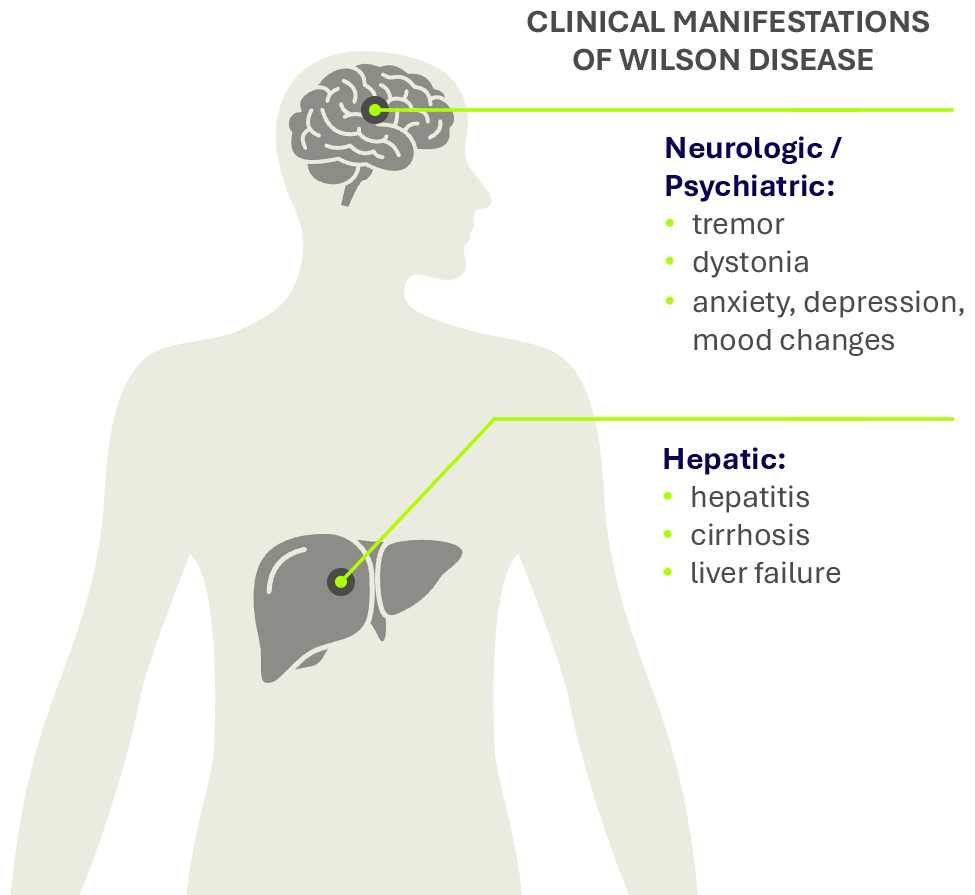
Wilson disease (WD) is a rare, serious and progressive genetic condition that affects approximately 1 in 30,000 people, or 11,400 people in the US. Caused by mutations in the ATP7B gene, the disease disrupts the body’s ability to regulate copper, resulting in toxic copper accumulation, particularly in the liver and brain. This serious, lifelong condition can cause a broad range of hepatic, neurologic and psychiatric manifestations, ranging from persistent symptoms to life-threatening complications. The disease can substantially impact patients’ daily functioning, independence, and overall quality of life.
ALNX1840 for Wilson Disease
ALXN1840 (tiomolibdate choline, TMC) is an investigational, first-in-class albumin tripartite complex (ATC) activator for the treatment of Wilson disease. ALXN1840 binds free and accumulated tissue copper with approximately 10,000-times greater affinity than standard-of-care therapies. Binding to ALXN1840 renders copper redox-inactive, reducing its potential to cause oxidative damage. In systemic circulation, drug-bound copper is sequestered in a stable tripartite complex with albumin that inhibits copper entry into the brain, with fecal copper excretion occurring over time. ALXN1840 is administered once daily. In the pivotal Phase 3 FOCUS trial, the largest and longest prospective, controlled study ever conducted in patients with Wilson disease, ALXN1840 met its primary endpoint, demonstrating significantly greater copper mobilization than standard of care over 48 weeks. The clinical development program has also demonstrated neurologic benefit, hepatic stability or improvement, and a well characterized safety and tolerability profile in 297 patients with 793 patient-years of follow-up.
ALXN1840 was granted Orphan Drug, Fast Track, and Rare Pediatric Disease (RPD) designation in the US and orphan designation in the EU. The rolling NDA submission to the FDA is in progress.
ALXN1840:
A First-in-Class Albumin Tripartite Complex (ATC) Activator, Advancing a New Mechanistic Approach in Wilson Disease
A NOVEL, PROTEIN-CENTERED MECHANISM THAT DETOXIFIES COPPER
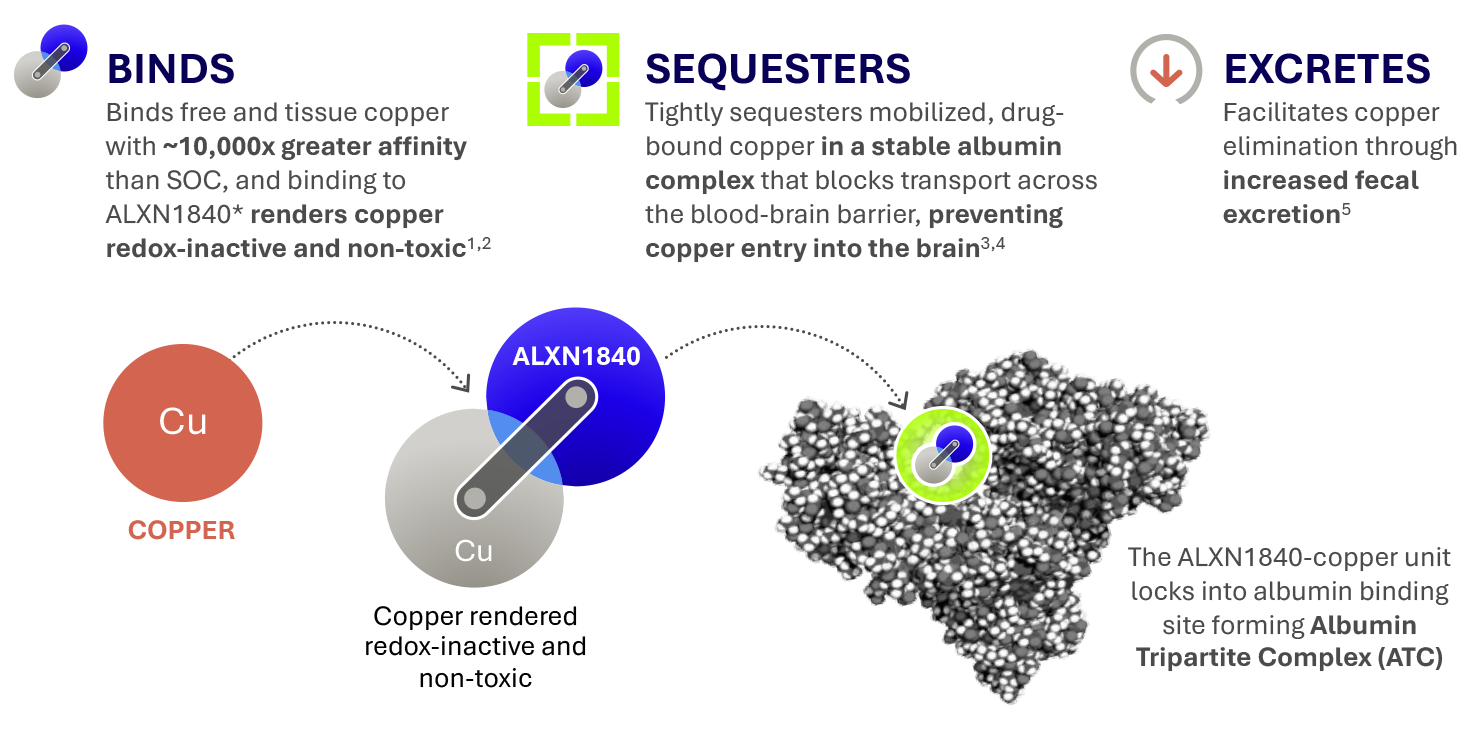
*tiomolibdate choline (TMC)
1. Weiss KH, et al. J Hepatol. 2022;77(Suppl 1):S1; 2. Zhu Y, et al. Pharmaceutics. 2025;17(9):1237; 3. Borchard S, et al. Life Sci Alliance. 2021;4(12):e202101164; 4. Kirk FT, et al. J Hepatol. 2024;80(4):586–595; 5. Ala A, et al. Hepatol Commun. 2026;10(6):e097
uPAR
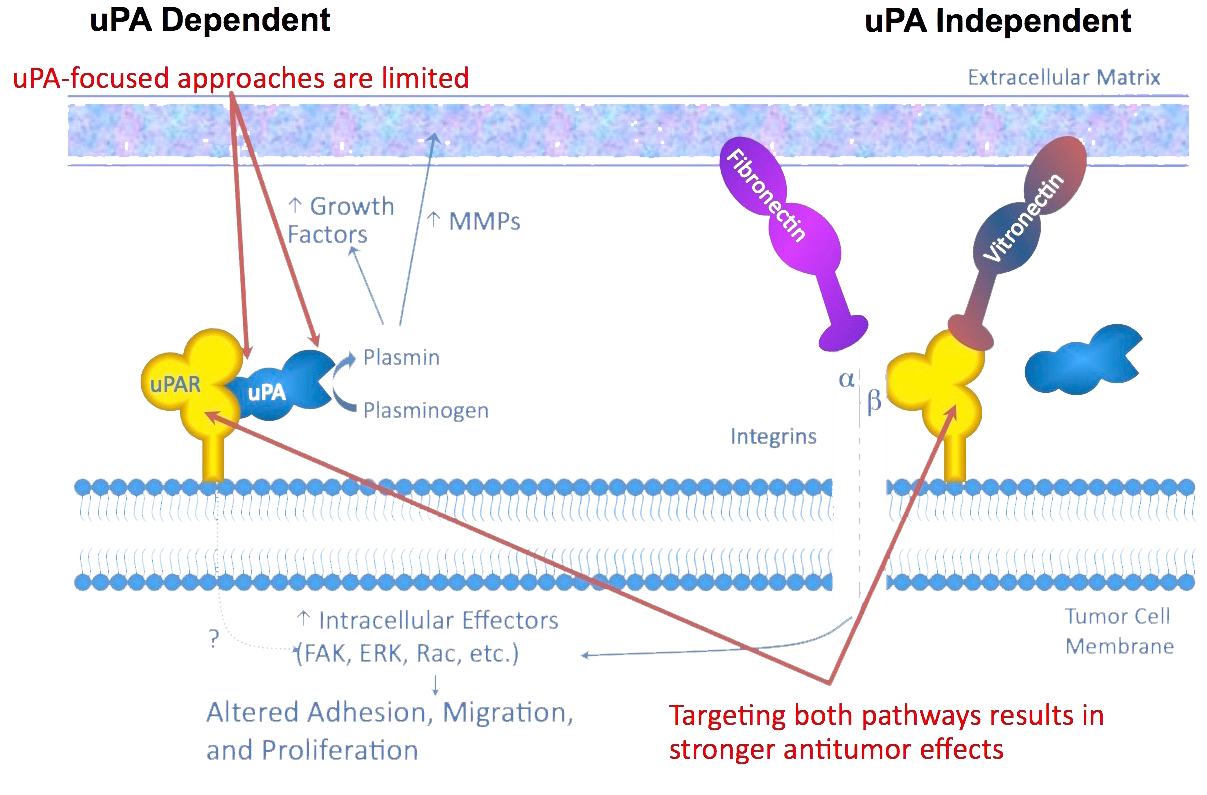
Urokinase plasminogen activator receptor (uPAR) is highly expressed in several aggressive cancers and the tumor microenvironment, but rarely in healthy tissues. uPAR is a well-credentialed target and is present on the surface of cancer cells. It is involved in cancer progression, invasion, and metastasis.
uPAR are an emerging class of cancer therapies that use radioactive molecules to selectively target tumor cells and the surrounding tumor microenvironment that express uPAR.
MNPR-101
MNPR-101 First-in-class uPAR-targeting antibody to the urokinase plasminogen activator receptor (uPAR), MNPR-101 has demonstrated significant anti-tumor activity in numerous preclinical models of tumor growth and is being advanced for clinical evaluation.11-3,7-13 Based on the expression of uPAR in a wide range of tumor tissues, and low expression in normal, healthy tissue, MNPR-101 is expected to be well-tolerated and amenable to a variety of combination treatment approaches.4-5
MNPR-101 was designed to interrupt several oncogenic signaling pathways required for tumor growth and progression that are only turned "on" in a tumor, rather than to kill the tumor cell directly.6 For this reason, Monopar believes that MNPR-101 may have fewer side effects than current cytotoxic agents which kill cells indiscriminately. In addition, by inhibiting multiple pathways required for tumor growth and progression, MNPR-101 may lead to more effective tumor control than therapies that target only a single such pathway. Monopar believes that most tumors, regardless of the tissue from which they originate, rely on the pathways that MNPR-101 is targeting.14 This type of therapy, which interferes with multiple critical pathways for tumor growth and progression, has the potential to be used against many different types of cancers.
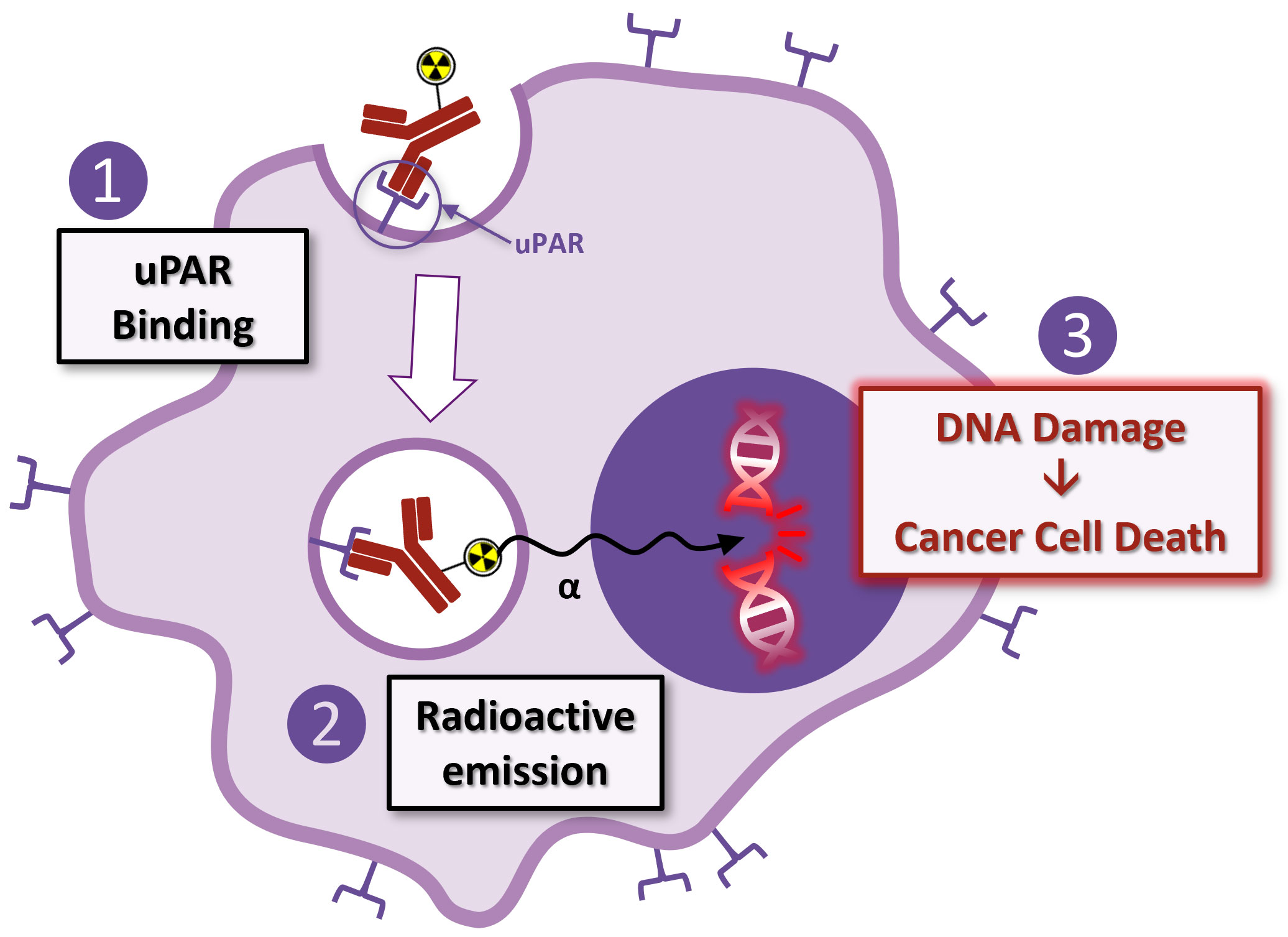
MNPR-101-PCTA-Ac: Radio-Immuno-Therapy Mechanism of Action
MNPR-101 may also avoid some of the drug resistance problems caused by genetic instability that plague many conventional chemotherapies. Cancer cells mutate and reproduce rapidly, meaning that there is great genetic heterogeneity among cells in a tumor. A given chemotherapy may be effective against the vast majority of these cells, but if even a small number have mutations that confer resistance, these cells will likely survive the treatment. The tumor will grow back composed almost entirely of these mutated cells making the cancer resistant to further treatments with that particular chemotherapy. By targeting multiple tumor progression pathways, using drugs in combination regimens, and targeting more genetically stable endothelial and immune cells in addition to tumor cells, Monopar believes that MNPR-101 has the potential to avoid these drug resistance problems.
1. Mahmood, et al. Bone Res. 2020. https://www.ncbi.nlm.nih.gov/pubmed/32337090; 2. de Geus, et al. Biomark Insights. 2017. https://www.ncbi.nlm.nih.gov/pubmed/28690396; 3. Boonstra, et al. Oral Oncol. 2017. https://www.ncbi.nlm.nih.gov/pubmed/28249642; 4. Yang, et al. Oncotarget. 2016. https://www.ncbi.nlm.nih.gov/pubmed/27729618; 5. Boonstra, et al. Oncotarget. 2015. https://www.ncbi.nlm.nih.gov/pubmed/25895028; 6. Xu, et al. PLoS One. 2014.https://www.ncbi.nlm.nih.gov/pubmed/24465541; 7. Boonstra, et al. BMC Cancer. 2014. https://www.ncbi.nlm.nih.gov/pubmed/24742002; 8. Zhang, et al. Mol Cancer Ther. 2013. https://www.ncbi.nlm.nih.gov/pubmed/24061648; 9. Kenny, et al. Clin Cancer Res. 2011. https://www.ncbi.nlm.nih.gov/pubmed/21149615; 10. Rabbani, et al. Neoplasia. 2010. https://www.ncbi.nlm.nih.gov/pubmed/20927316; 11. Van Buren, et al. Cancer. 2009. https://www.ncbi.nlm.nih.gov/pubmed/19484792; 12. Mazar. Clin Cancer Res. 2008. https://www.ncbi.nlm.nih.gov/pubmed/18794071; 13. Bauer, et al. Cancer Res. 2005. https://www.ncbi.nlm.nih.gov/pubmed/16140945; 14. Bauer, et al. Ann Surg. 2005. https://www.ncbi.nlm.nih.gov/pubmed/15849510
Wilson Disease
Wilson disease (WD) is a rare, serious and progressive genetic condition that affects approximately one in 30,000 people, or 11,400 people in the US. Caused by mutations in the ATP7B gene, the disease disrupts the body’s ability to regulate copper, resulting in toxic copper accumulation, particularly in the liver and brain. This serious, lifelong condition can cause a broad range of hepatic, neurologic and psychiatric manifestations, ranging from persistent symptoms to life-threatening complications. The disease can substantially impact patients’ daily functioning, independence, and overall quality of life.
WD may present at any age, but most patients first present symptomatically between 5 and 35 years of age. Because the clinical presentation is heterogenous and non-specific, and no single diagnostic test is definitive, diagnosis is often delayed by several years after symptom onset due to diagnostic challenges.
The unmet medical need is particularly pronounced in WD patients with neurologic symptoms, as over 40% of patients experience persistent neurologic symptoms despite treatment. In addition, a defining and clinically consequential feature of current standard of care therapies is the documented risk of paradoxical neurologic worsening with copper chelation therapy. Approximately 20% to 50% of patients with neurologic manifestations experience acute deterioration of neurologic symptoms within weeks of starting chelation therapy, and approximately 30% to 50% of patients who experience neurological worsening on current treatments do not recover to their pre-treatment baseline, resulting in severe disability or even death.
FoCus Phase 3 Trial
The FoCus trial is a pivotal Phase 3, randomized, rater-blinded, multi-center clinical trial designed to evaluate the efficacy and safety of ALXN1840 versus standard-of-care (SoC) in patients with Wilson disease aged 12 years and older. The primary endpoint assessed copper mobilization over 48 weeks, defined as daily mean AUEC (Area Under the Effect Curve) for dNCC (directly measured non-ceruloplasmin-bound copper). In the trial, 207 patients were enrolled (both treatment-experienced or treatment-naïve). Patients were randomized 2:1 (to ALXN1840 or SoC). The ALNX1840 arm included 137 patients (104 of which were previously treatment-experienced and 33 of which were previously treatment naïve). The SOC arm included 70 patients (56 of which were previously treatment-experienced and 14 of which were previously treatment naïve).
ALXN1840 Phase 3 Pivotal Trial Represents the Largest and Longest Prospective Study Conducted in Patients with Wilson Disease
Multi-Center, Active Controlled Study with 207 Adults & Adolescents with WD aged >12 years
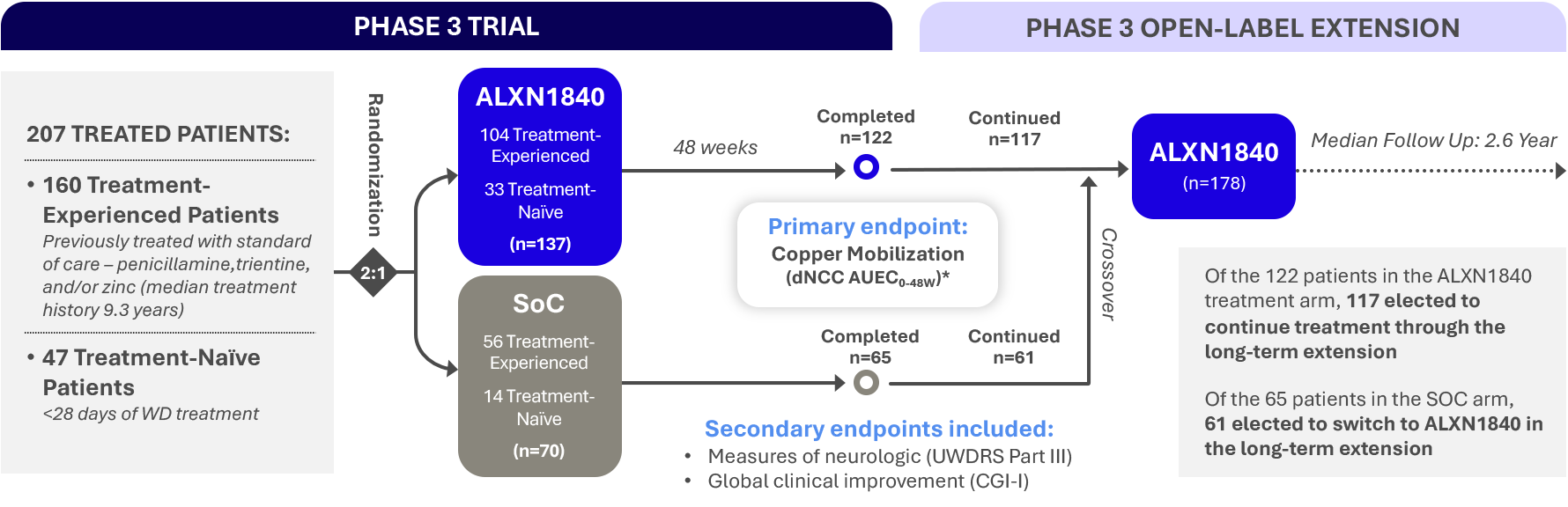
*Directly-measured non-ceruloplasmin bound copper (dNCC) area under the effect-time curve from 0 to 48 weeks (AUEC), a measure of total copper mobilized
Key Inclusion Criteria: Established diagnosis of Wilson disease by Leipzig-Score = or > than 4
Key Exclusion Criteria: Decompensated hepatic cirrhosis, MELD score > 13, or significant neurologic disability
The FoCus trial met its primary endpoint demonstrating three-times greater copper mobilization in the ALXN1840 arm compared to the SoC arm (Least Square Mean Difference [LSM Diff] 2.18 µmol/L; p< 0.0001). In the FoCus trial, most reported adverse events considered mild to moderate. The most frequently reported adverse event in the ALXN1840 treatment group was a reversible increase in transaminase levels.
uPAR
Text here to provide more detailed on uPAR...Lorem ipsum dolor sit amet, consectetur adipiscing elit, sed do eiusmod tempor incididunt ut labore et dolore magna aliqua. Ut enim ad minim veniam, quis nostrud exercitation ullamco laboris nisi ut aliquip ex ea commodo consequat. Duis aute irure dolor in reprehenderit in voluptate velit esse cillum dolore eu fugiat nulla pariatur. Excepteur sint occaecat cupidatat non proident, sunt in culpa qui officia deserunt mollit anim id est laborum.
uPAR's Role in Tumor Progression Pathways
MNPR-101
MNPR-101, as a first-in-class anti-uPAR humanized monoclonal antibody, represents a potentially selective means for delivering cytotoxic agents to cancer cells. Conjugation of MNPR-101 to a radionuclide, for example Actinium-225, may produce a potent and selective cytotoxic agent with wide applicability for the imaging and treatment of advanced solid cancers. Monopar is pursuing development of a MNPR-101 RIT for these indications.
MNPR-101 Conjugated to Imaging Radioisotope
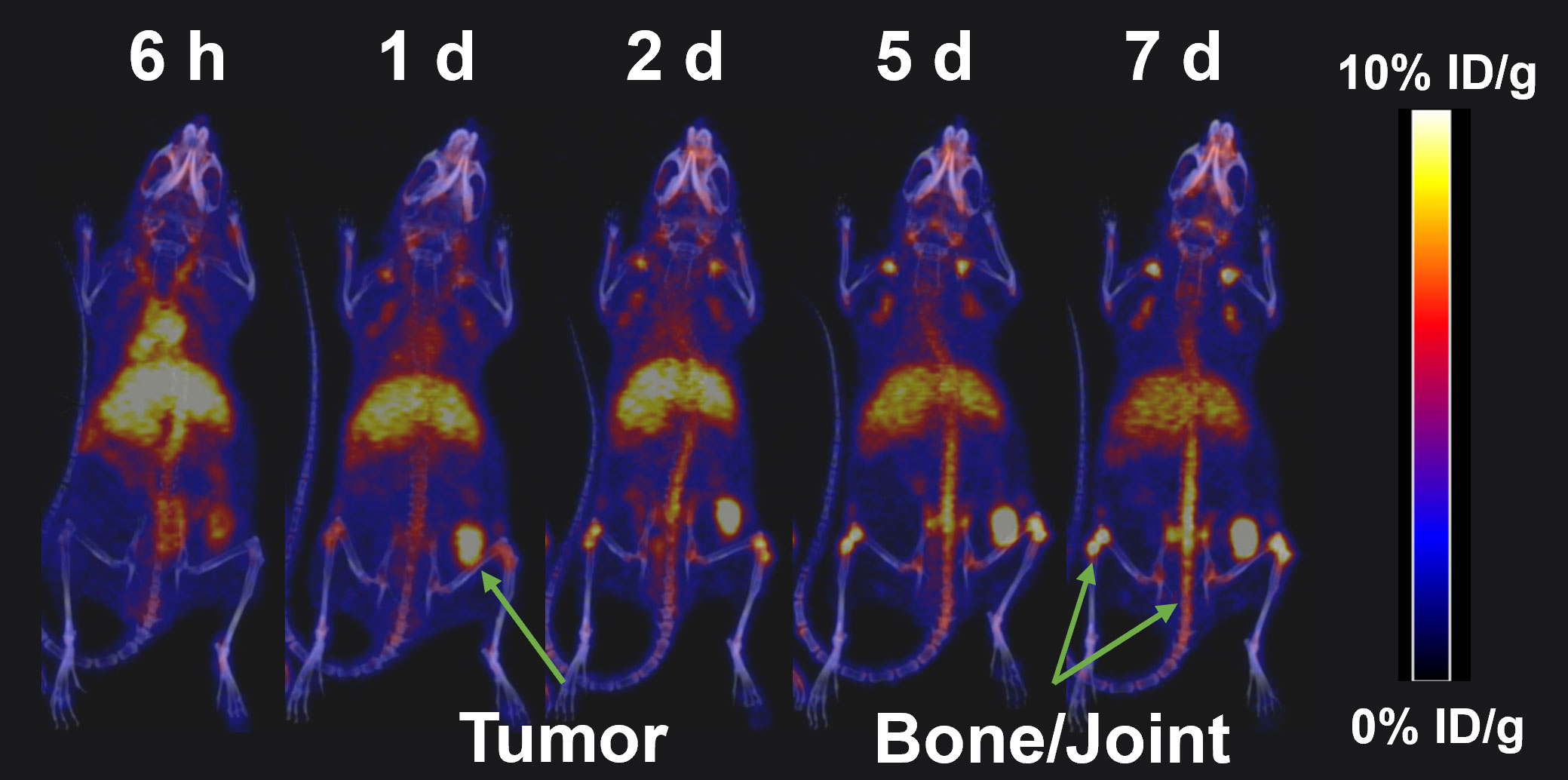
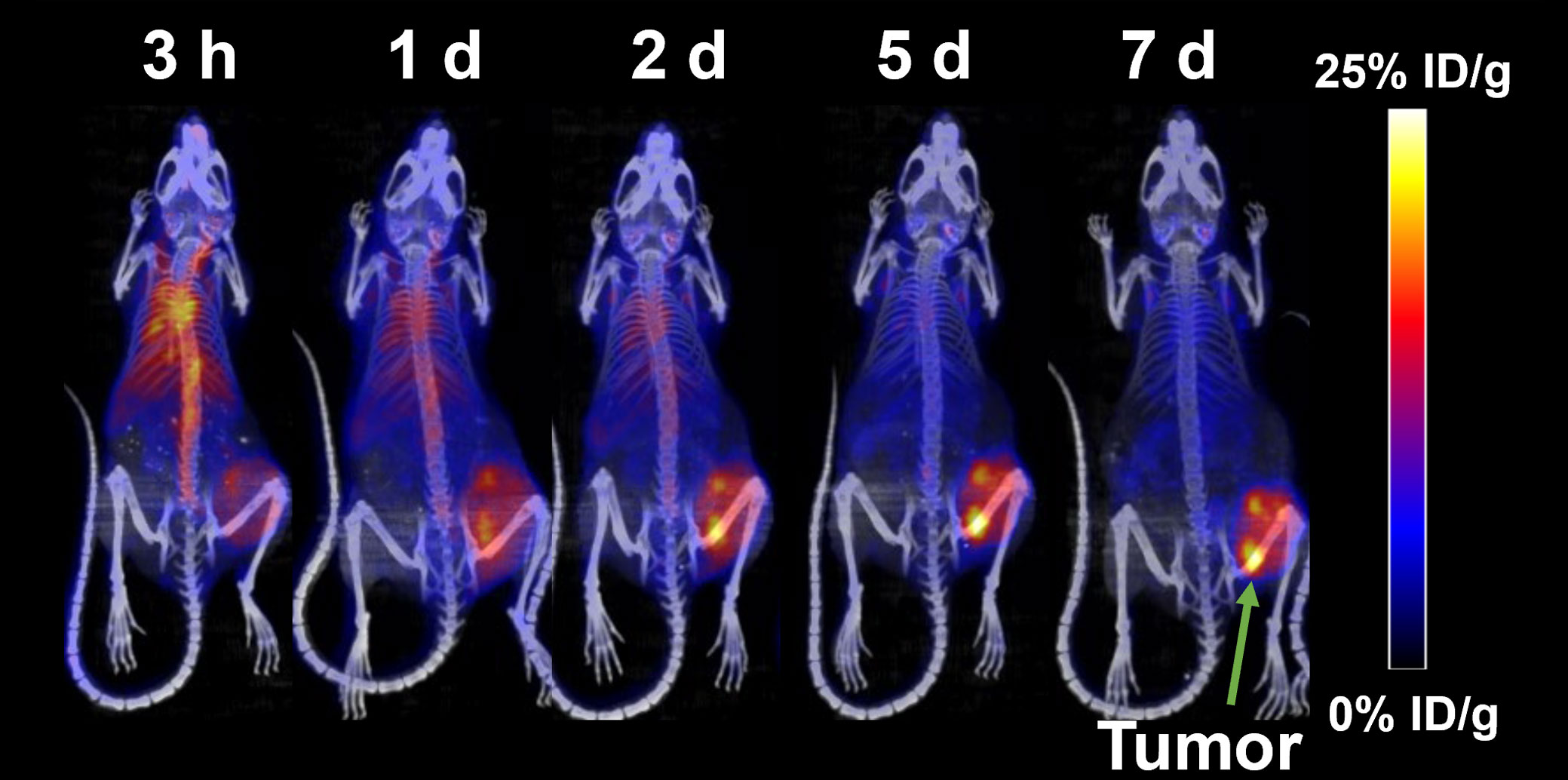
Maximizing the dose delivered to the tumor relative to normal tissue is of paramount importance in radiopharmaceutical therapy. Figure 1 below shows the before and after optimization of MNPR-101-Zr, Monopar’s radiopharmaceutical imaging agent for advanced solid tumors expressing uPAR. Monopar’s in-house radiopharmaceutical development team was able to significantly increase tumor uptake of MNPR-101-Zr while minimizing uptake in healthy tissue, as shown in this preclinical positron emission tomography (PET) sequential imaging time-series. The high specificity and durable tumor uptake are evident in the After Optimization panel below.
Pancreatic Cancer (MIA PaCa-2) Tumor Xenograft
Before Optimization
After Optimization
MNPR-101 Conjugated to Therapeutic Radioisotopes
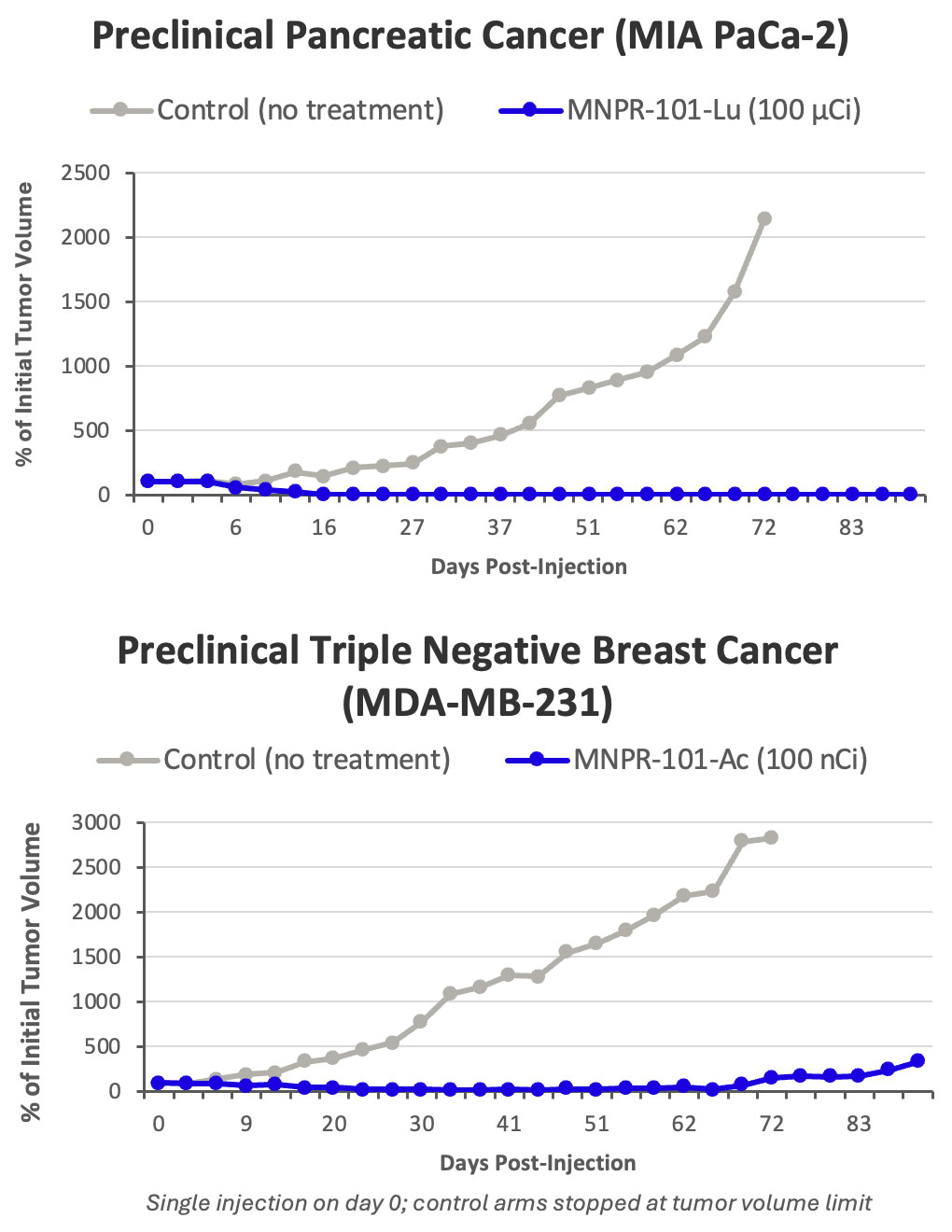
Preclinical data to date demonstrate compelling and durable anti-tumor benefits with MNPR-101 conjugated to therapeutic radioisotopes. Figure 2 below shows preclinical efficacy data in a triple negative breast cancer as well as a pancreatic cancer human tumor xenograft mouse model utilizing two different therapeutic radioisotopes conjugated to MNPR-101; one of these radioisotopes has already been disclosed as being actinium-225 (Ac-225). The results in both show near complete elimination of the tumor after a single injection of the radiopharmaceutical agent. These studies demonstrate the potential of a MNPR-101 based radiopharmaceutical to provide a very meaningful clinical benefit to patients.
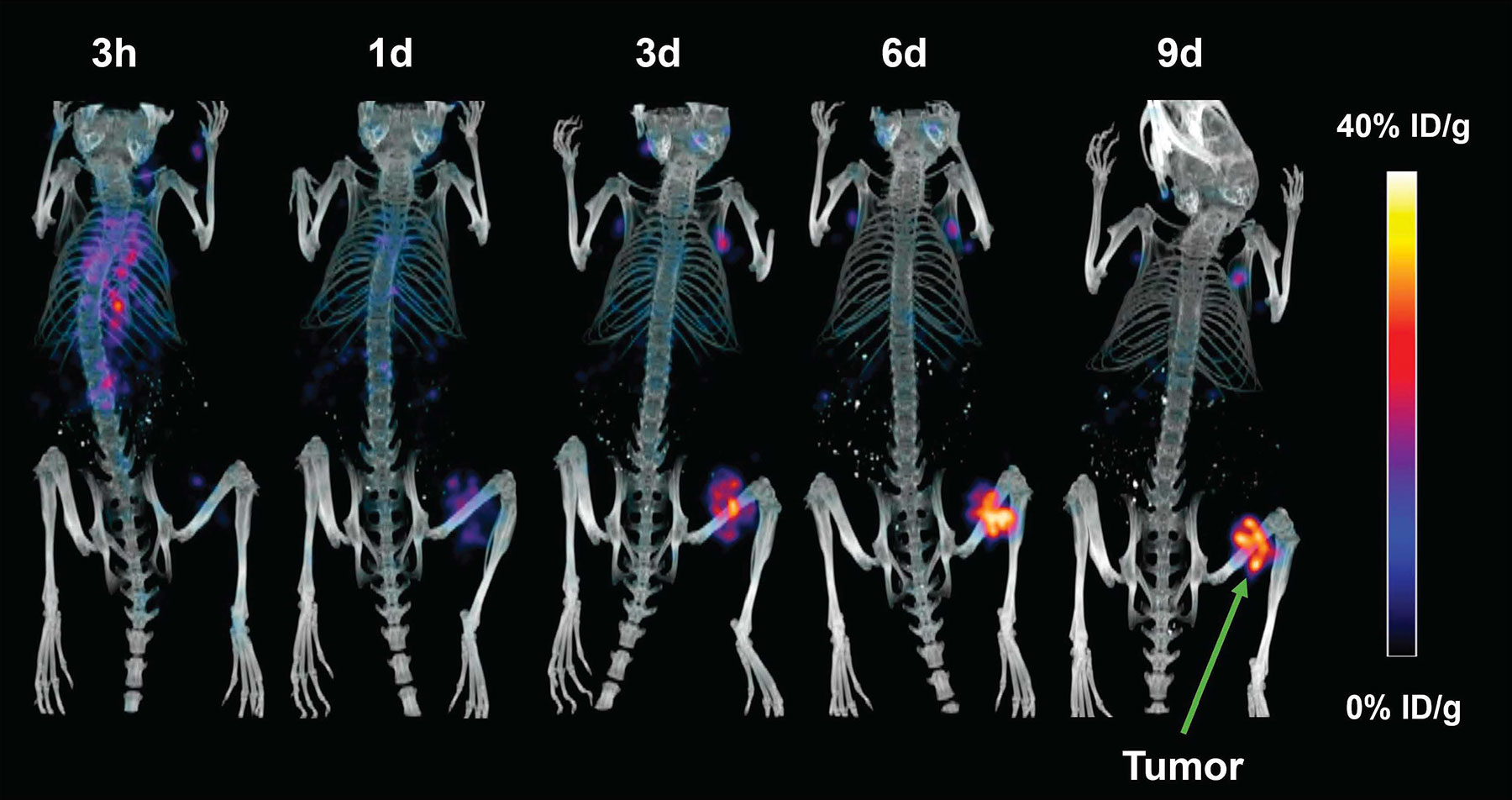
To visualize the biodistribution of a therapeutic radioisotope conjugated to MNPR-101, Lutetium-177 (Lu-177) was used. The results of a sequential SPECT (single-photon emission computed tomography) imaging time-series utilizing MNPR-101 conjugated to Lu-177 (MNPR-101-Lu) can be seen in Figure 3. High specificity and durable uptake of MNPR-101-Lu in the tumor relative to normal tissue is readily apparent, and help explain the near complete elimination of tumors observed after a single injection of therapeutic radioisotopes bound to MNPR-101.
Biodistribution of Therapeutic Radioisotope Lu-177 Conjugated to MNPR-101 in Pancreatic Cancer (MIA PaCa-2) Tumor Xenograft
Development Strategy
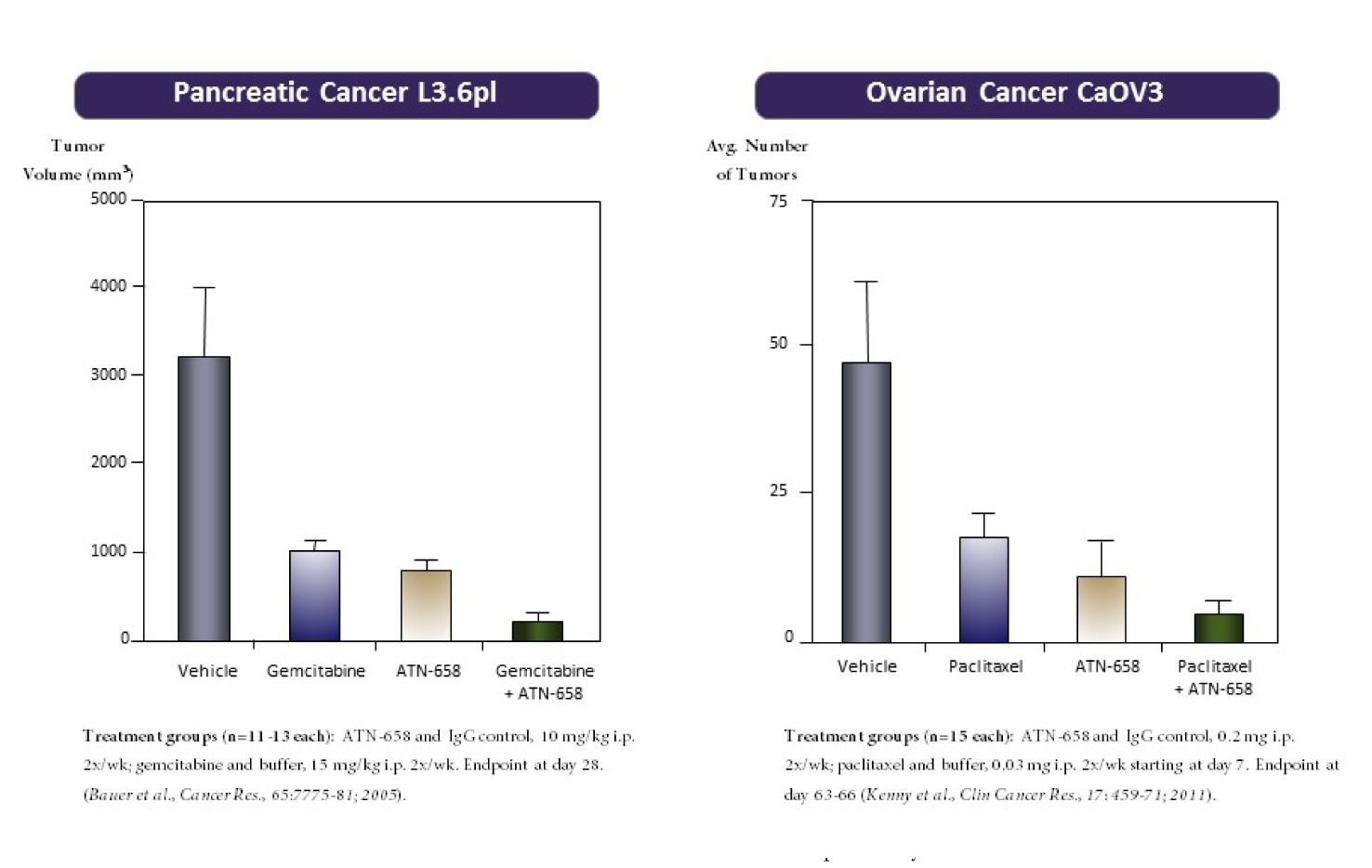
MNPR-101 is not expected to replace existing therapies, but rather to complement them. Based upon the non-overlapping toxicity and distinct mechanism of action, we plan to develop MNPR-101 in combination with existing cancer therapies to potentially improve treatment outcomes, rather than merely competing with current therapies in the market. The selective expression of uPAR in tumors underpins the expectation that MNPR-101 will be well-tolerated and amenable to a variety of treatment approaches, including combinations with existing treatments, radiopharmaceutical, and antibody-drug conjugate approaches. Published preclinical data have shown the ability of MNPR-101 to enhance the anti-tumor activity of chemotherapies such as paclitaxel and gemcitabine. Our current strategy is to advance MNPR-101 into a Phase 1a/1b trial in indications where uPAR expression is highly prevalent and explore novel combinations, such as with checkpoint Inhibitors or as a radiotherapeutic, in the Phase 1b portion.